
The Home Seller’s Guide
How selling your home actually works: seven steps, what it really costs, and why the first ten days on the market decide your price. About a five-minute read.
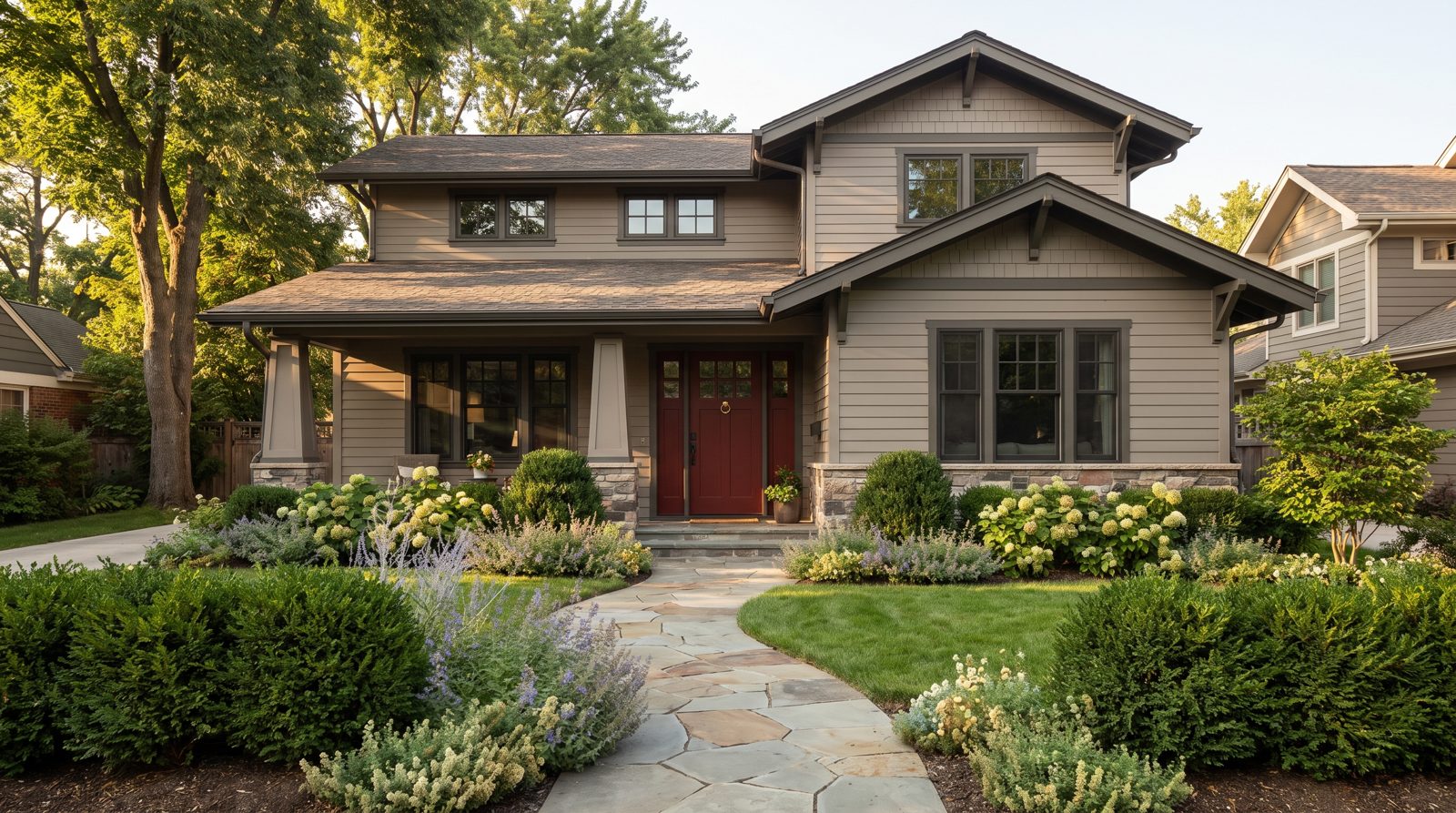
Selling comes down to three things you control: price, condition, and exposure. Get those right and the market does the rest. Here’s exactly how a sale runs, what it costs, and where sellers lose money — about a five-minute read.
Find out what it’s really worth
Not a website estimate — a real comparative market analysis using what actually sold nearby, in your condition. This is the single most important number in the whole process.
Decide what’s worth fixing
Some work returns more than it costs; most doesn’t. Usually it’s paint, decluttering, deep cleaning, and curb appeal — not a new kitchen. We’ll walk it with you and be blunt.
Prep, photos, and launch
Professional photography (and drone where it helps) happens before the listing goes live. Your first impression is a thumbnail on a phone, and you only get one.
Hit the market with real exposure
MLS syndication, social campaigns, our buyer database, and the off-market network. The goal is every likely buyer seeing it in the first week, while attention is highest.
Showings and offers
We’ll gather feedback and watch the response. When offers come, we look past price at financing strength, contingencies, and timing — the highest number isn’t always the best deal.
Inspection and appraisal
The buyer inspects, and anything found becomes a negotiation. If the appraisal comes in under contract price, there are several ways to solve it — we’ve done all of them.
Close and hand over the keys
Final paperwork at the title company, the loan funds, and your proceeds are wired or handed to you. We’ll have given you a net sheet long before this so there are no surprises.
Overpricing feels safe. It isn’t. Your listing gets the most attention in its first ten days — that’s when every waiting buyer sees it. Priced right, that attention becomes offers. Priced high, it becomes silence, and the price cuts that follow usually land below what you’d have gotten in week one.
| Priced too high | Priced right | |
|---|---|---|
| First 10 days | Few showings; buyers skip it | Peak traffic while interest is highest |
| Offers | Little or nothing, then price cuts | Real offers, sometimes competing |
| Days on market | Climbs — and buyers notice | Short, which protects your leverage |
| Final price | Often under market after reductions | At or above asking |
| Your leverage | Gone — you’re chasing the market | Strong — buyers compete on your terms |

Clean, bright, and uncluttered beats new finishes almost every time. Most of what moves a buyer costs very little — paint, decluttering, a deep clean, and letting the light in.
| Cost | Paid | Typical |
|---|---|---|
| Commission | At closing, from proceeds | Agreed up front — nothing out of pocket now |
| Transfer tax | At closing | 1% in PA (customarily split with the buyer) |
| Prep & staging | Before listing | $0–$2,000 — often just paint, declutter, clean |
| Repairs after inspection | Negotiated | Varies — often a credit instead of work |
| Seller assist | At closing, if negotiated | 0–3% toward the buyer’s costs |
Curious what your home would sell for?
Phil will prepare a real comparative market analysis for your home — based on what actually sold nearby, not a website guess. Free, and no obligation to list.