
The Home Buyer’s Guide
How buying a home actually works: eight steps, in order, in plain English — what happens, what it costs, and where buyers get tripped up. About a five-minute read.
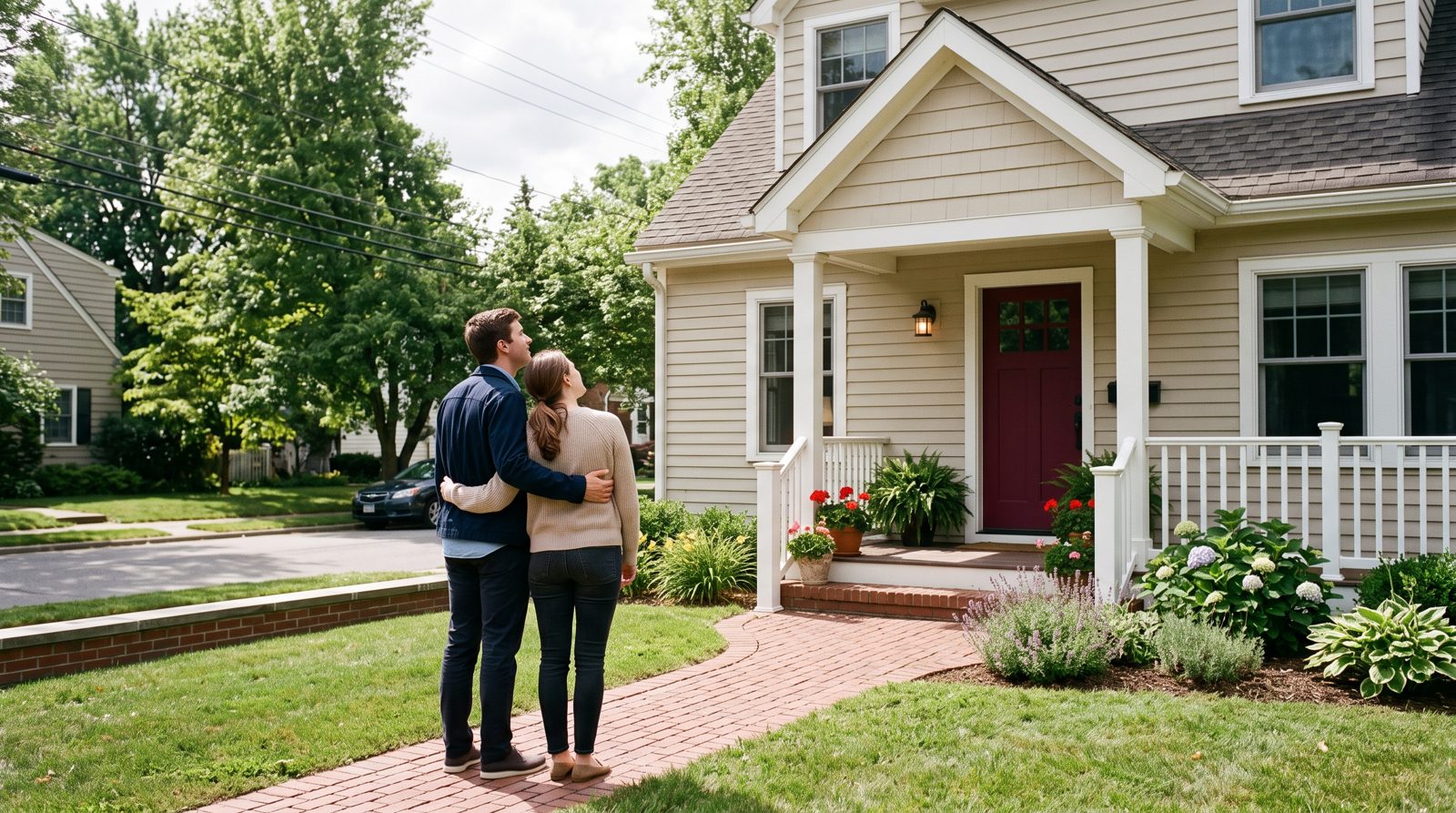
Buying a home is really just eight steps in a specific order. Most of the stress people feel comes from not knowing which step they’re on, or what happens next. Here’s the whole thing, start to finish — about a five-minute read.
Get pre-approved (before anything else)
A lender checks your income, debts, and credit and tells you what you can actually borrow. This is not the same as being “pre-qualified.” In this market, an offer without a pre-approval letter usually doesn’t get taken seriously.
Work out your real budget
What the bank approves and what you want to spend each month are two different numbers. Use the mortgage calculator to see the full payment — principal, interest, taxes, insurance — and pick a number you’re comfortable with.
Make your list
Separate must-haves (bedrooms, school district, commute, one floor) from nice-to-haves (finished basement, updated kitchen). You can change a kitchen. You can’t change a location.
Go see homes
We’ll get you in to see them and give you our honest read — how the home compares to others you’ve seen, what looks worth a closer look, and which questions to put to the seller or your inspector. Seeing five or six homes usually sharpens your list fast.
Write a strong offer
Price is only part of it. Deposit size, inspection terms, closing date, and how your financing looks all move a seller. We’ll build the offer to win the house without giving away protections you actually need.
Inspections and the appraisal
Once accepted, you inspect. Whatever turns up becomes a negotiation — repairs, a credit, or a price change. Meanwhile the lender appraises the home to confirm it’s worth the price.
Loan processing — change nothing
Your lender verifies everything again before closing. Do not open credit cards, finance a car, change jobs, or make large deposits. This is where deals die, and it’s entirely avoidable.
Final walkthrough, then closing
You walk the home to confirm it’s as agreed, then sign at the title company. Bring ID and your certified funds, and you leave with the keys.
| Cost | When | Typical range |
|---|---|---|
| Earnest money | When your offer is accepted | 1–2% of the price (credited back to you at closing) |
| Home inspection | First week or two | $400–$700, paid out of pocket |
| Appraisal | Ordered by your lender | $500–$800 |
| Down payment | At closing | 0% (VA/USDA) · 3–3.5% (FHA/first-time) · 5–20% conventional |
| Closing costs | At closing | 2–5% of the price — often partly paid by the seller |

Every one of those steps is pointing at the same moment: the keys in your hand and the house being yours. Knowing the order is what keeps it from feeling chaotic on the way there.
Ready to start — or just have questions?
Angelica will walk you through your specific situation, connect you with a lender if you need one, and show you homes when you’re ready. No pressure, no obligation.